

Social Media Video: The False Reality of the Influencer Reel
By Matthew Stanton | August 31, 2026
Social media video has a look right now, and that look is effortless.
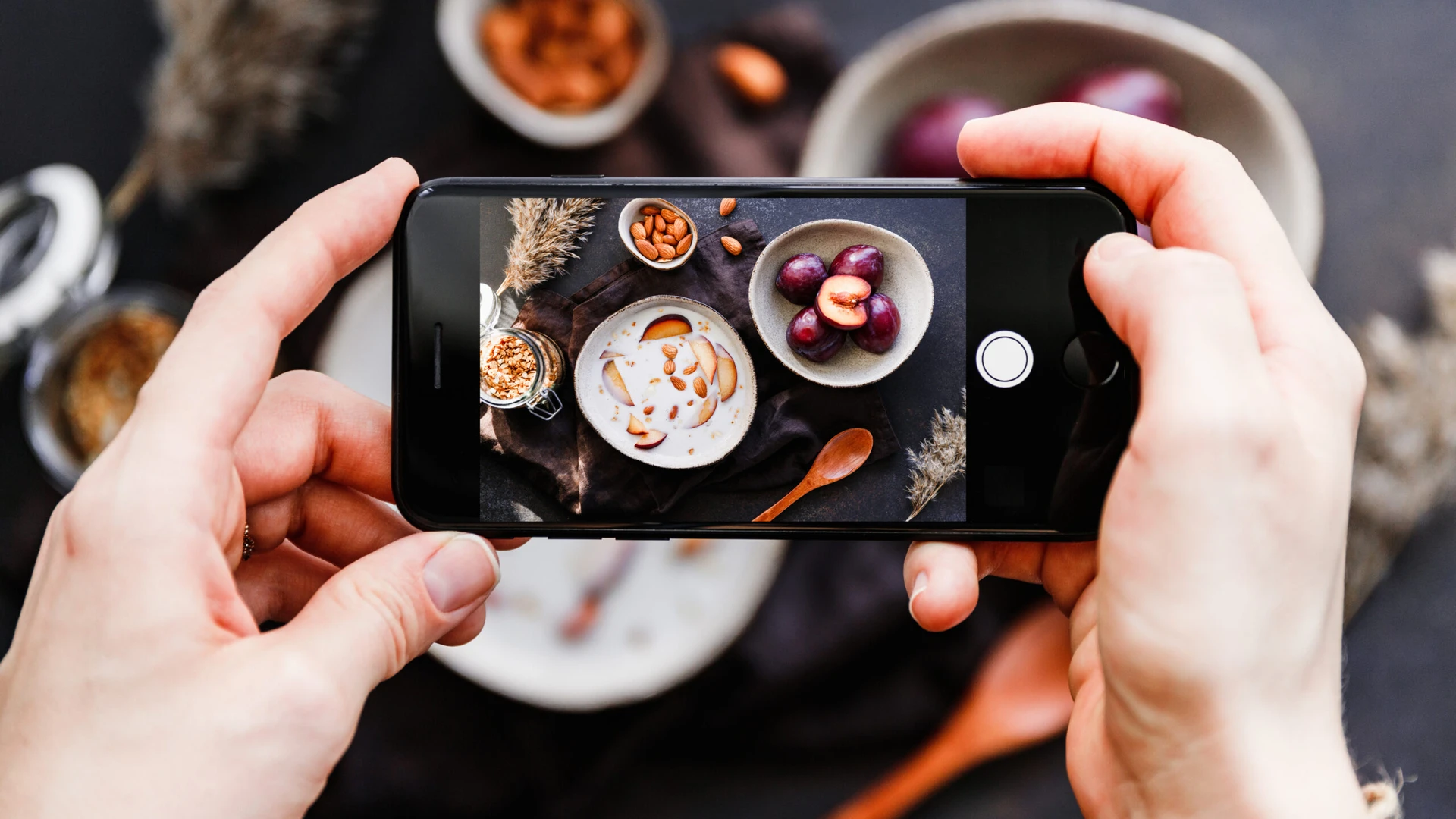
Someone sent us a reel recently. It was a montage of creators filming in cafes and restaurants, food and coffee and drinks, cutting between the techniques they use and how to make each shot look good. They liked a lot of what the creators were doing and thought the techniques were cool.
They’re right, and the answer is yes. Those shots are well within reach and the techniques are worth stealing.
But it’s never as simple as it looks, and that’s the part a montage can’t show you. What you’re watching is a finished result arranged to look like a method. The reason those shots look easy or great isn’t the technique. It’s everything that happened before anyone started filming.
The reel that prompted this post, from @camera.setup. Every clip in it was filmed by someone standing just out of frame.
The Video You’re Watching Isn’t the One Being Made
Let’s start with the montage itself, because it gives itself away.
Every clip in it shows a creator filming. Someone tilting a phone over a latte. Someone moving the camera through a table of food. Someone holding a pastry up into the window light.
So who filmed that?
Someone else was standing there with a second camera. That’s not a theory, it’s the only way those frames exist. The video showing you how one person makes this is itself the proof that two people were there.
Once you notice it, you can’t stop noticing it.
What a Social Media Video Doesn’t Show You
The polished videos are rarely solo. Depending on the shoot, here’s who and what is sitting just outside the frame:
- Someone on the second camera, which is what makes the behind the scenes clip possible at all
- Someone controlling the light, whether that’s a panel, a bounce card, or a hand holding a curtain back
- Someone handling the food, plating it, wiping the rim, swapping out the one that’s gone dull under the lights
- Someone from the venue who decided this could happen, when it could happen, and what could be touched
- The takes you didn’t see, because that wasn’t the first pour
That last one is worth sitting with. At the top end of the industry it gets almost comic. For a single pizza scene, food stylist Melissa McSorley prepared at least 18 pizzas in stages so the camera always had a fresh one. Stylists order ten bunches of parsley to get one usable sprig, and a thirty second commercial can take three days to shoot.
A social reel is nowhere near that scale, and nobody’s suggesting it should be. The principle just compresses. Every clean shot of food you’ve scrolled past is sitting on a small pile of rejected ones.
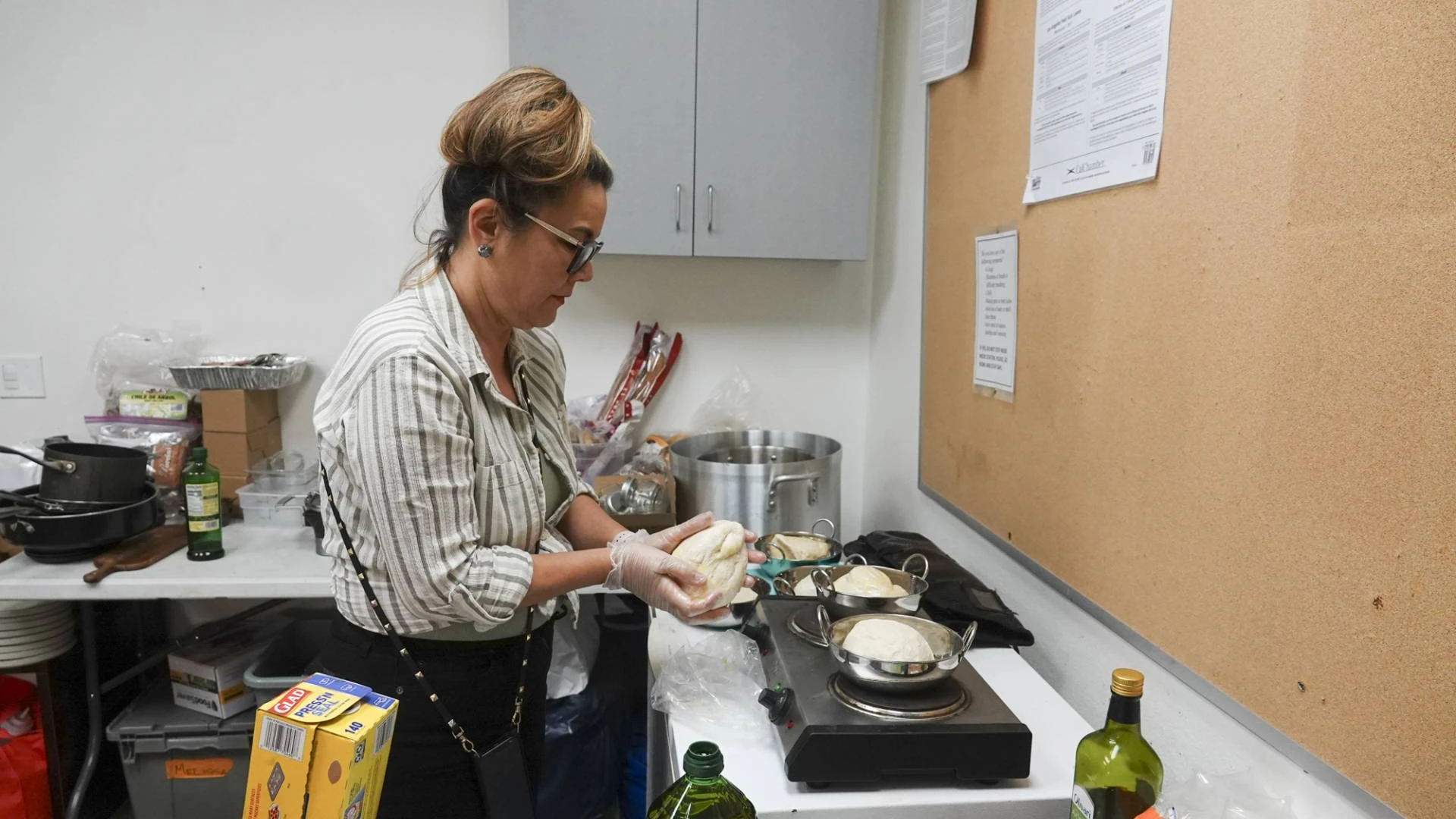
Food stylist, Melissa McSorley, preps pizza dough in her work kitchen on set. (Photo: Lisa Morehouse/KQED)
Before Anyone Picks Up a Camera
Here’s the other half, and it’s the part that surprises people most. A shoot isn’t something you show up and do.
A social media video filmed inside someone else’s business is a scheduling problem before it’s a creative one. A cafe at eight in the morning isn’t a location, it’s a business with a line out the door. A restaurant at seven on a Friday is worse. So you shoot before open, after close, or in the dead hour mid afternoon, and that gets negotiated with someone who has their own day to run.
Then there’s everything that gets decided before the door opens:
- What’s actually on the menu that day, because you can’t film a seasonal drink in the wrong season
- Which dishes photograph well, which isn’t the same list as which dishes sell well
- What order to shoot in, because hot drinks stop steaming and cold ones sweat
- Whose hands are in the shot, and what they’re wearing
- What the video has to accomplish, and what it’s allowed to leave out
Because those calls happen in advance, the shoot itself gets to look relaxed. That’s the point. The calm you’re watching is the output of the planning, with no evidence of the planning.
What a Thirty Second Social Media Video Actually Took
Here’s one of ours, so this isn’t abstract.
Peninsula Hotels came to us to create a social video for The Chocolate Bar, a weekend event at their Chicago property. Chocolate desserts and sweet delicacies, alongside coffees, cappuccinos, espressos, and custom hot chocolate. The finished piece runs about thirty seconds.
The shoot took two to three hours.
That’s the argument in one number. It ran that long because we had a number of shots to plan and stage, and because we were working inside a live hotel, moving between the kitchen and the lobby bar while the property kept running around us. You don’t get thirty clean seconds out of a working hotel by wandering in and seeing what happens.
The Peninsula operates at a certain standard, so the video had to meet an equally elevated one. It looks easy. That’s the job. A social media video that shows its effort has failed at something.
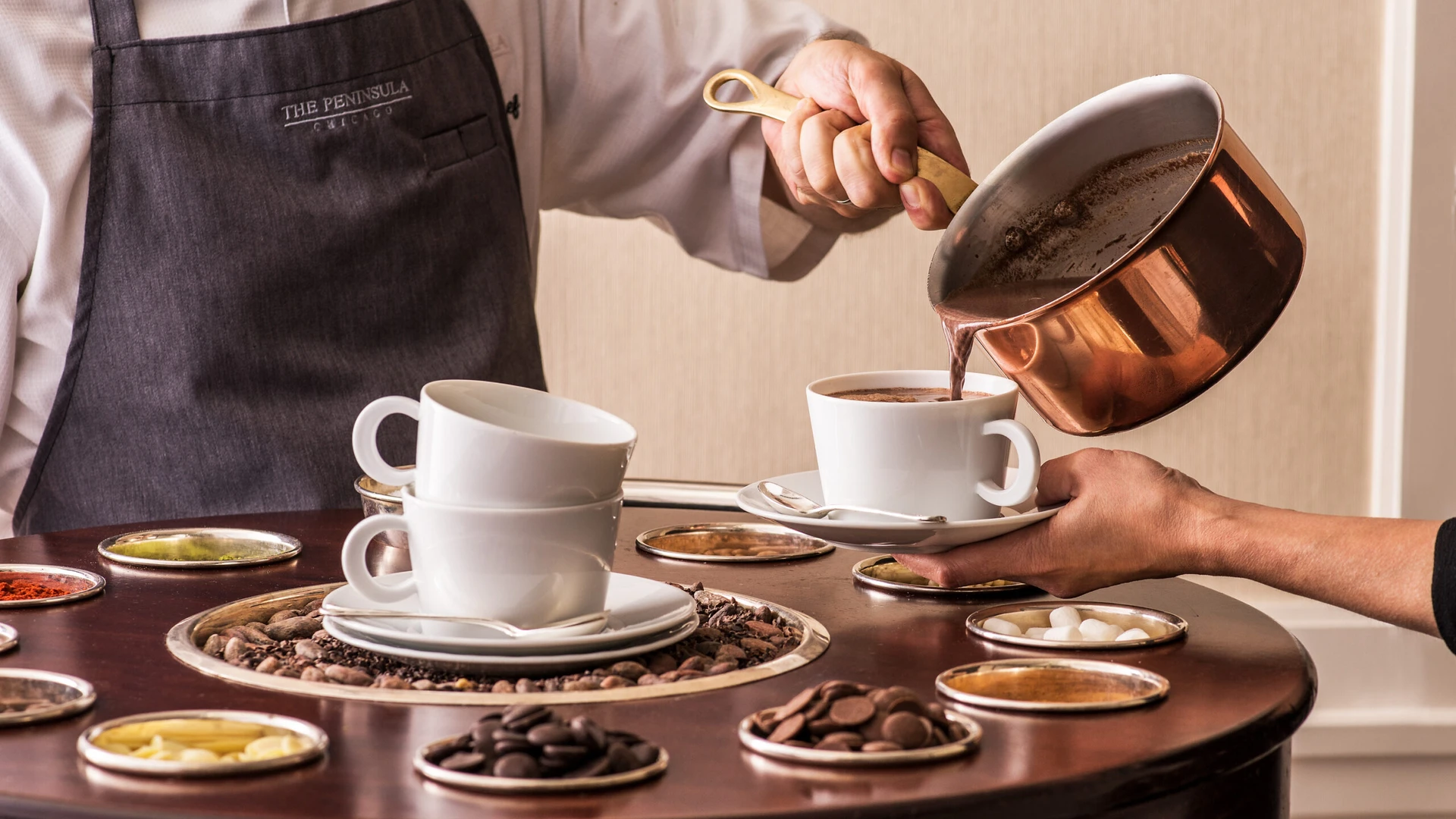
A press release image for The Chocolate Bar at The Peninsula Chicago.
The Takeaway
Take the techniques. They’re real, they’re learnable, and the results are worth having.
Then give them the planning they need. A montage of finished shots can’t show you the second camera, the empty morning, the fourth take, or the two hours it took to get thirty seconds. That’s the part that decides whether your version looks like theirs or looks like a first attempt.
If you’re looking at your feed wondering what it would take to get there, that’s a conversation worth having. See It Media handles social media video and full production from the plan through delivery. Contact us and let’s talk about it.

FAQs About Social Media Video
Q: How many people does it take to shoot a social media video?
It depends on the video. A quick clip of something happening right now takes one person and a phone. A polished piece shot on location, with controlled light and a subject that has to look right on camera, usually takes at least two. The reliable tell is that any behind the scenes footage of someone filming was shot by somebody else, which means that shoot already had two people on it.
Q: Can we shoot our own social media video on a phone?
Yes, and for a lot of content you should. Phones are great for timely, informal posting where the value is that it’s happening now and a real person is talking. What a phone doesn’t replace is the planning, the location coordination, and the editing judgment that make a video do a specific job. Use the phone for volume, and bring in a crew for the pieces that have to carry the brand.
Q: How much planning does a social media video actually need?
More than the finished video suggests, and that’s the whole point. Before anyone films you’re deciding what the video has to accomplish, what you’re actually able to show that day, what order to shoot in, who’s on camera and what they’re wearing, and what gets left out. Those calls are the reason the shoot itself gets to look relaxed.
Q: What makes a social media video look professional?
Light, sound, and a steady camera do most of it. The rest is restraint. The polished videos in your feed usually aren’t doing more than yours, they’re doing less, with every shot decided in advance and anything that doesn’t serve the point left out. What reads as professional is mostly decisions made before the camera came out.
Q: How long does it take to produce a thirty second social media video?
Much longer than thirty seconds. One of our own thirty second pieces took two to three hours to film, because every shot had to be planned and staged inside a business that was still open and running. Editing, revisions, and delivery all come after that.
Recent Posts
Motion Graphics: Make the Complex Simple
Motion Graphics: Make the Complex Simple
Custom Website Design: Great Sites Are Never Accidents
Custom Website Design: Great Sites Are Never Accidents

AI for Your Brand: Make It Sound Like You, Not Everyone Else
AI for Your Brand: Make It Sound Like You, Not Everyone Else
