
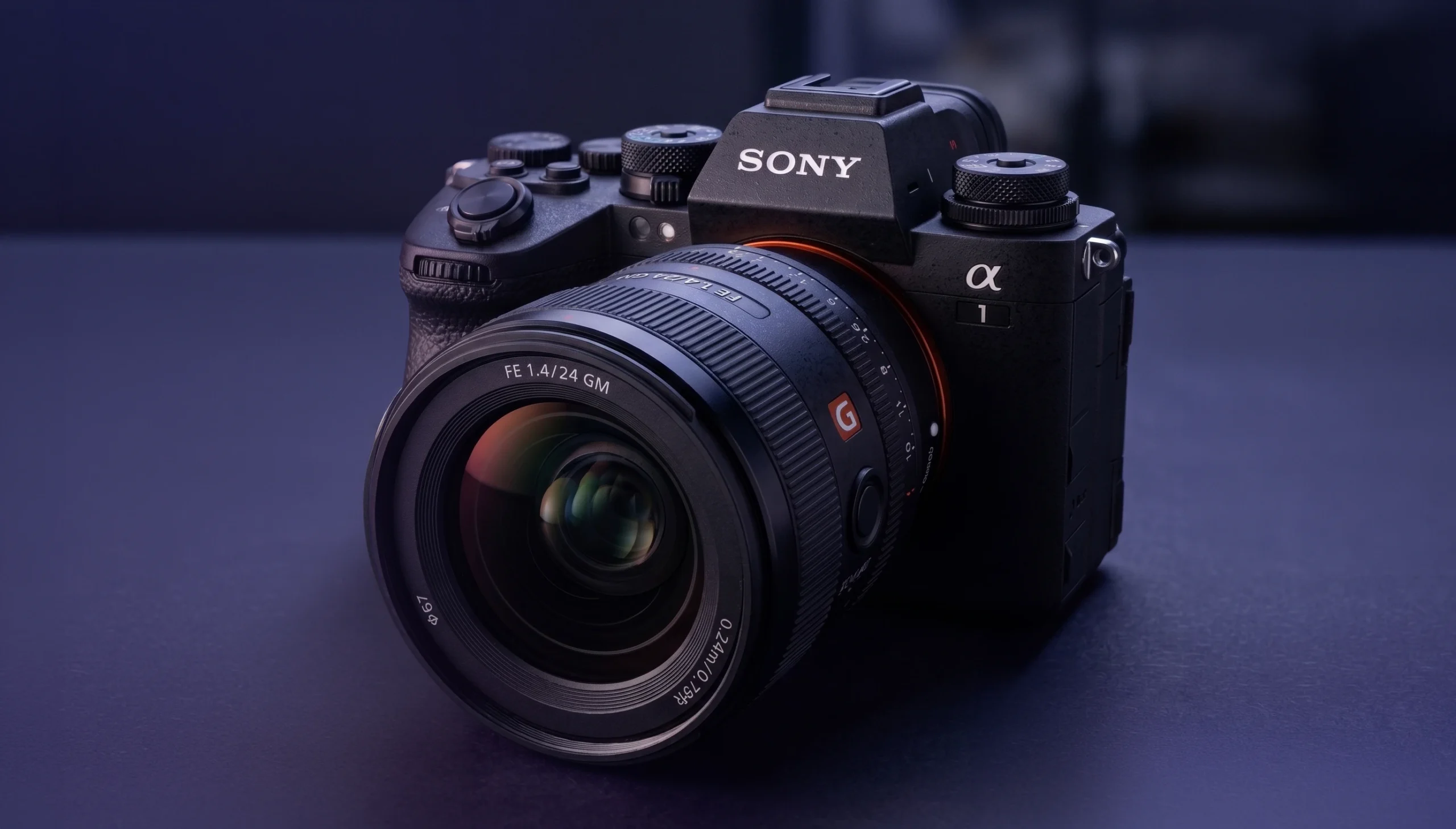

Shooting 8K for 4K Delivery: The Ultimate Advantage
By See It Media | June 11, 2026
When it comes to video production, technology moves fast. Today, 4K is considered the standard delivery format for high-end digital content. But even though your final product will likely be delivered in 4K, we deliberately choose to shoot in 8K.
For many of the projects at See It Media, our primary workhorse is the Sony A1 cinema camera, an absolute powerhouse capable of capturing stunning 8K footage. Capturing all that extra data might seem like overkill to the untrained eye, but in the editing room, it unlocks a world of creative flexibility and cost-saving opportunities for our clients.
Here is exactly why shooting in 8K and mastering in 4K is a game-changer for your next video project.
The Resolution Difference: 4K vs. 8K
To understand the benefits, we first need to understand the sheer scale of 8K resolution.
A standard HD video (1080p) is about 2 million pixels. A 4K video jumps to about 8 million pixels. But 8K does not just double 4K – it quadruples it. An 8K frame holds over 33 million pixels.
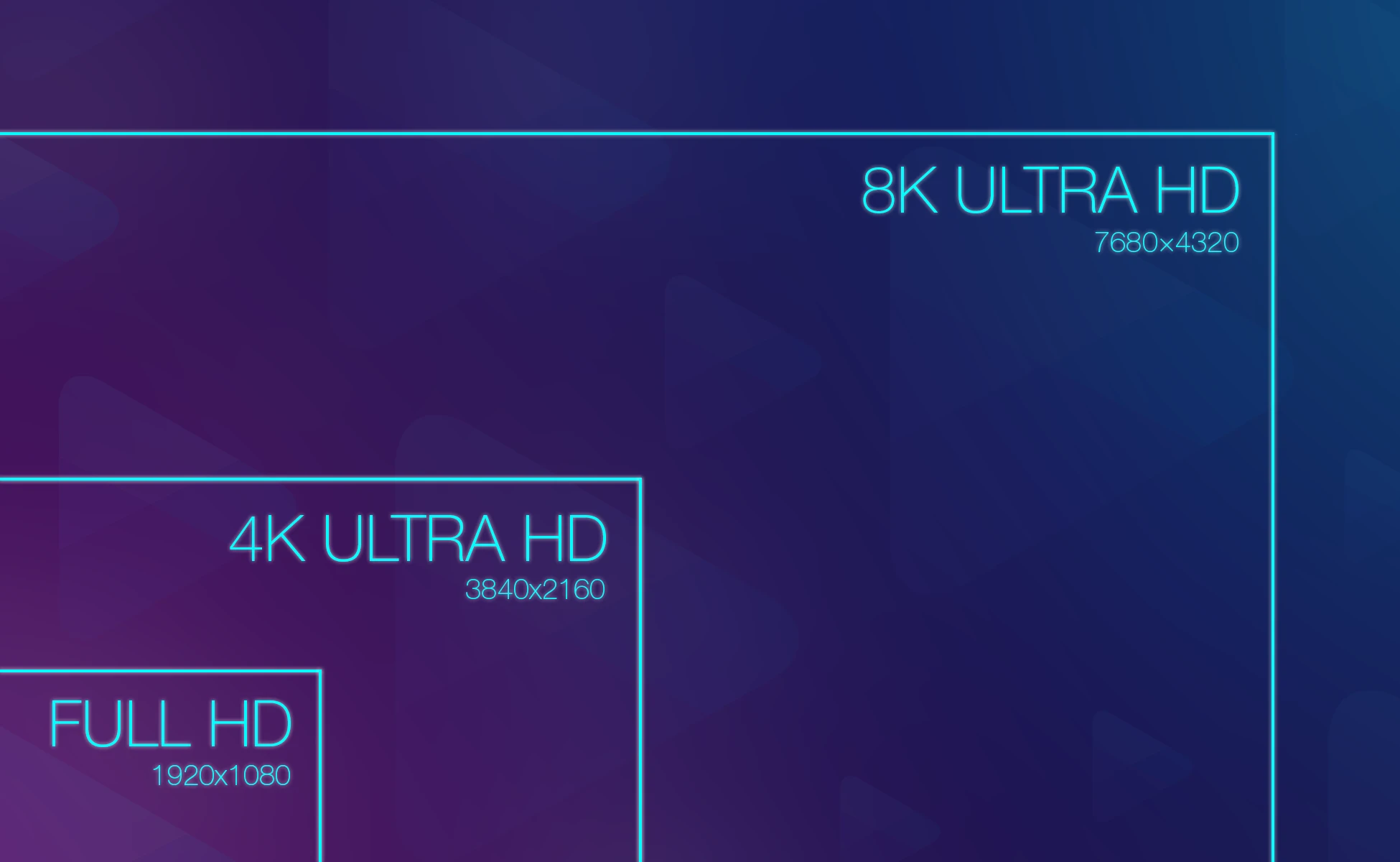
The size differences between full HD, 4K ultra HD, and 8K ultra HD.
When we take that giant 33-megapixel 8K canvas and scale it down to fit a 4K timeline, the image becomes incredibly sharp, rich, and detailed. But the real magic happens when we decide not to scale it down entirely.
The “Two-Camera Look” on a Single-Camera Budget
One of the biggest advantages of 8K is the ability to punch in, or zoom, on a shot during the editing process without losing any quality.
Because our timeline is 4K but our footage is 8K, we can zoom in up to 200% before we ever start stretching pixels. This is incredibly beneficial for clients who have a limited budget and cannot afford a multi-camera setup or a larger crew.
For example, when we worked with Trinity Irish Dance Company, we framed all of their interviews as a clean, wide medium shot. Because we captured it in 8K, we had the latitude to crop in tightly on the subject’s face during impactful moments in the interview. This effectively gave us an A-cam (medium shot) and a B-cam (close-up) from a single camera, saving the client time and money while keeping the final edit highly engaging.
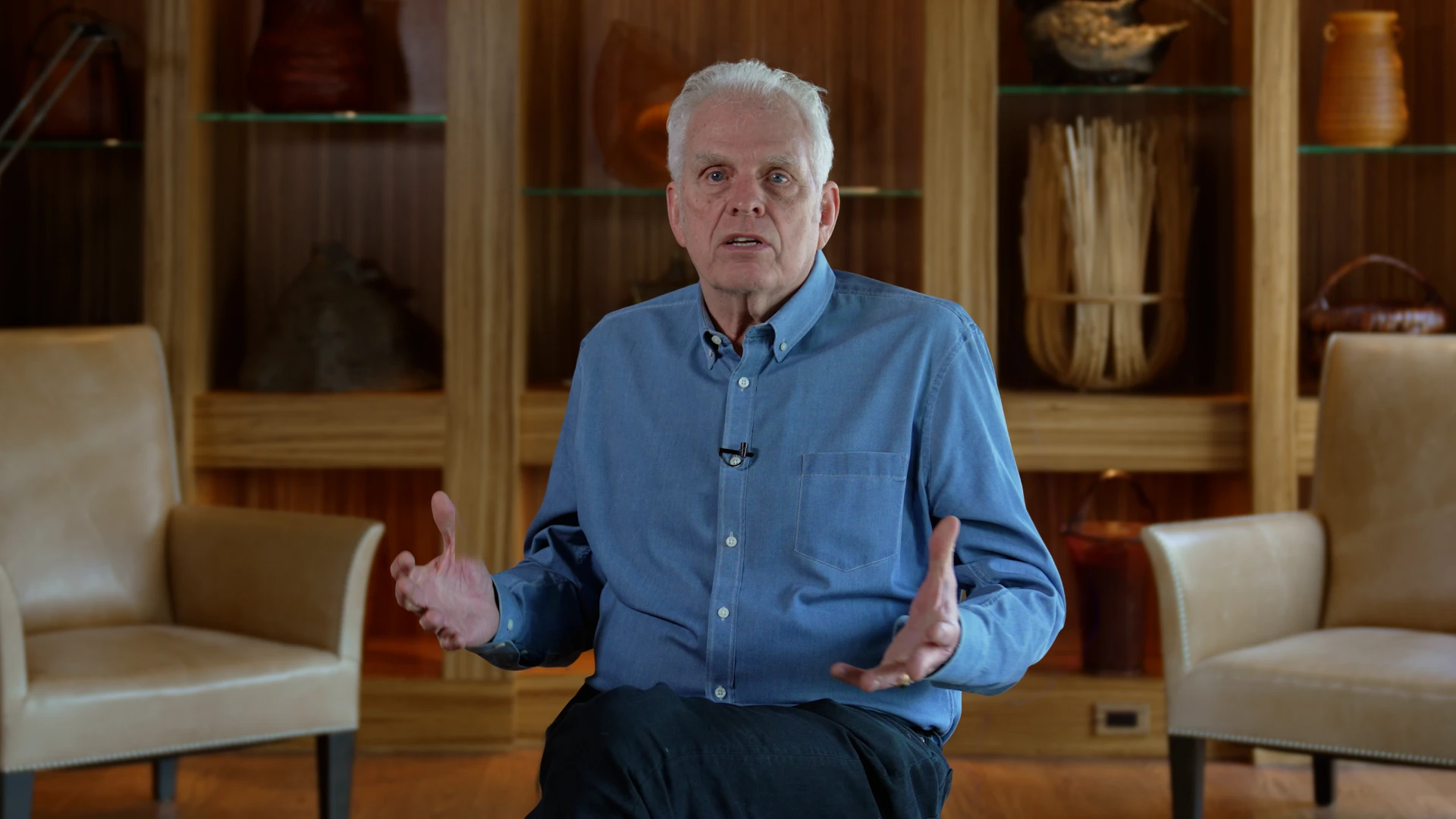
The wider, medium shot.
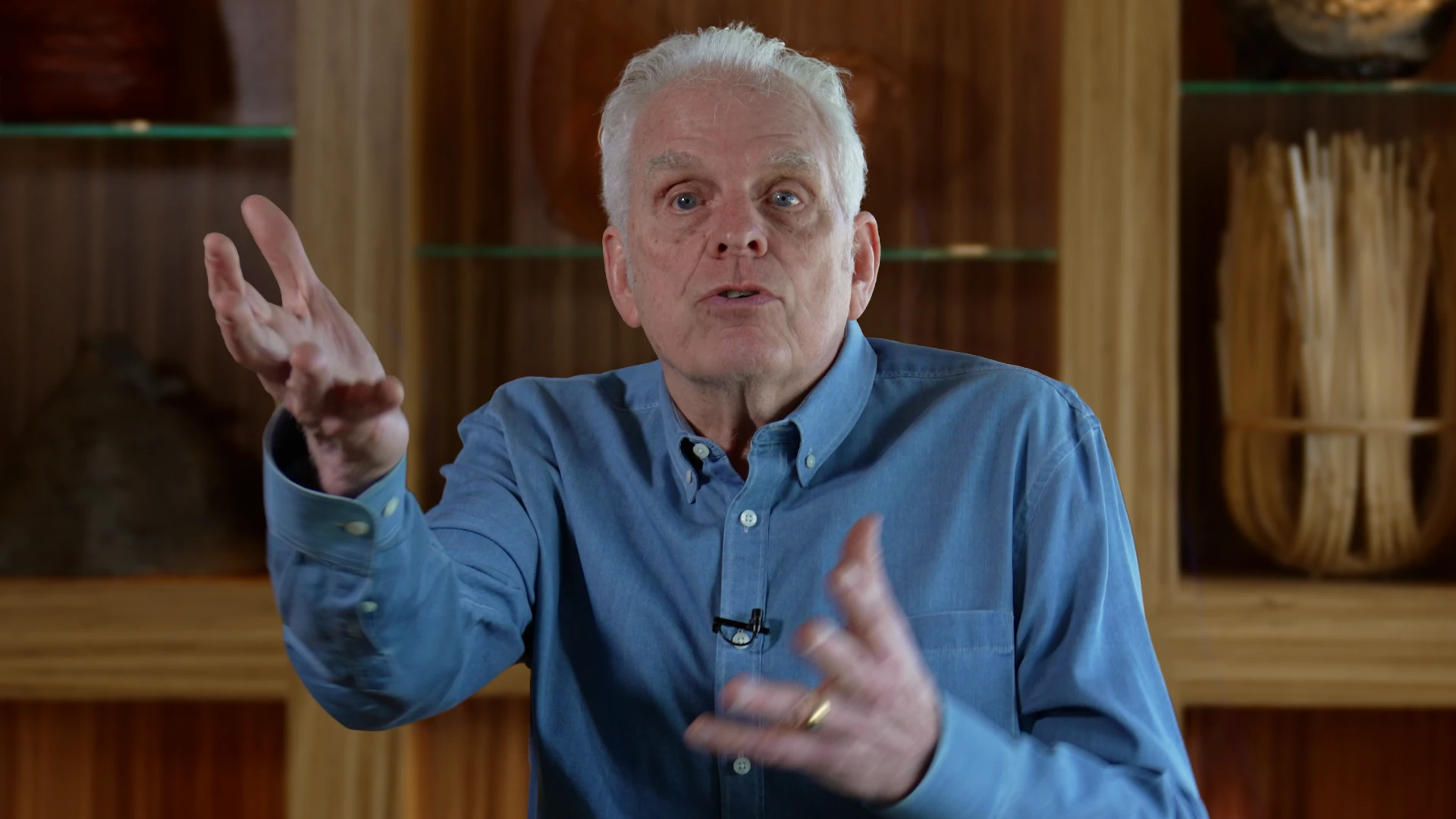
The tighter close-up, achieved by applying a digital zoom in post, with no loss in quality.
Built for the Vertical World
Social media demands vertical video. But shooting a video twice – once horizontally for YouTube and your website, and once vertically for Instagram and TikTok – is inefficient.
Here is where the math of 8K truly shines. Standard vertical HD video for social media requires a height of 1920 pixels. A standard 4K horizontal video is only 2160 pixels tall – giving you just enough room to crop a vertical video, but leaving zero room for error.
An 8K video, however, is a massive 4320 pixels tall. This gives us an abundance of resolution to take a cinematic, horizontal video and easily carve out a pristine, high-quality vertical (9:16) edit. One shoot yields premium content for every single platform.
The Only Catch: Processing Power
If 8K is so great, why doesn’t everyone use it? The reality is that 8K video creates massive file sizes. These files demand massive amounts of storage and an incredible amount of processing power to edit smoothly on the fly. Many standard editing computers simply choke when trying to play back 8K footage.
Fortunately, See It Media has invested heavily in the backend. Our editing workstations are custom-built to handle massive 8K files seamlessly, ensuring our post-production process remains fast, efficient, and reliable.
By shooting in 8K, we future-proof your footage, maximize your budget, and deliver a 4K master that looks absolutely incredible.
Ready to Elevate Your Video?
If you want to ensure your next project looks pristine while maximizing your budget, we are here to help. Reach out to See It Media today, and let’s discuss how our 8K workflow can give your brand the ultimate advantage.
FAQs About Shooting 8K for 4K Delivery
Q: What is the advantage of shooting in 8K when final delivery is in 4K?
Shooting in 8K provides a higher quality master from which you can edit with more flexibility. When scaled to a 4K timeline, 8K footage remains sharp and detailed, and you can crop or reframe without losing quality, enabling richer edits and future-proofing your project.
Q: How does shooting in 8K provide a “two-camera look” with a single camera?
Because 8K footage can be zoomed in significantly on a 4K timeline, you can simulate both a medium shot and a close-up from one recording. This creates an A-cam and B-cam effect from a single camera while preserving image quality.
Q: Why is 8K beneficial for creating vertical video content for social media?
An 8K master is large enough to allow easy extraction of high-quality vertical (9:16) edits from a horizontal source. This means one shoot can yield premium vertical content for platforms like Instagram and TikTok while retaining a horizontal aspect ratio for your website, television, or Youtube.
Q: What are the processing and storage considerations when working with 8K footage?
8K footage creates very large file sizes and requires substantial processing power. See It Media uses custom-built editing workstations to handle 8K files smoothly, ensuring fast and reliable post-production.
Recent Posts

Social Media Video: The False Reality of the Influencer Reel
Social Media Video: The False Reality of the Influencer Reel
Motion Graphics: Make the Complex Simple
Motion Graphics: Make the Complex Simple
Custom Website Design: Great Sites Are Never Accidents
Custom Website Design: Great Sites Are Never Accidents
