

Filming Leaders: Capturing Executive Presence on Camera
By Matthew Stanton | June 25, 2026
In August 2022, the American Bar Association held its Annual Meeting in Chicago. As the first major in-person gathering for the group since February 2020, the schedule was packed.
See It Media was on-site all week to film the event. It was an intense week of production, bouncing from discussion panels to cutting daily recaps for news releases and social media directly from the hotel.
Event coverage on this scale requires an attention to detail and a special set of skills and expertise. But getting to document true industry leaders and historic milestones makes it all worth it. The clear highlight of the 2022 meeting was watching the association present the ABA Medal to recently retired Supreme Court Justice Stephen Breyer.
It’s easy to get caught up staring through a viewfinder, worrying about exposure and audio levels. But meeting someone who spent three decades shaping American law forces you to step back and appreciate the moment. Filming Justice Breyer in our home city of Chicago was incredible.
It was also a sharp reminder of a basic production truth. When you put high-profile leaders on camera, the margin for error is zero.

Supreme Court Justice Stephen Breyer and See It Media’s Matthew Stanton
The Reality of High-Stakes Interviews
Your company’s CEO or founding partners carry the same gravity for your brand.
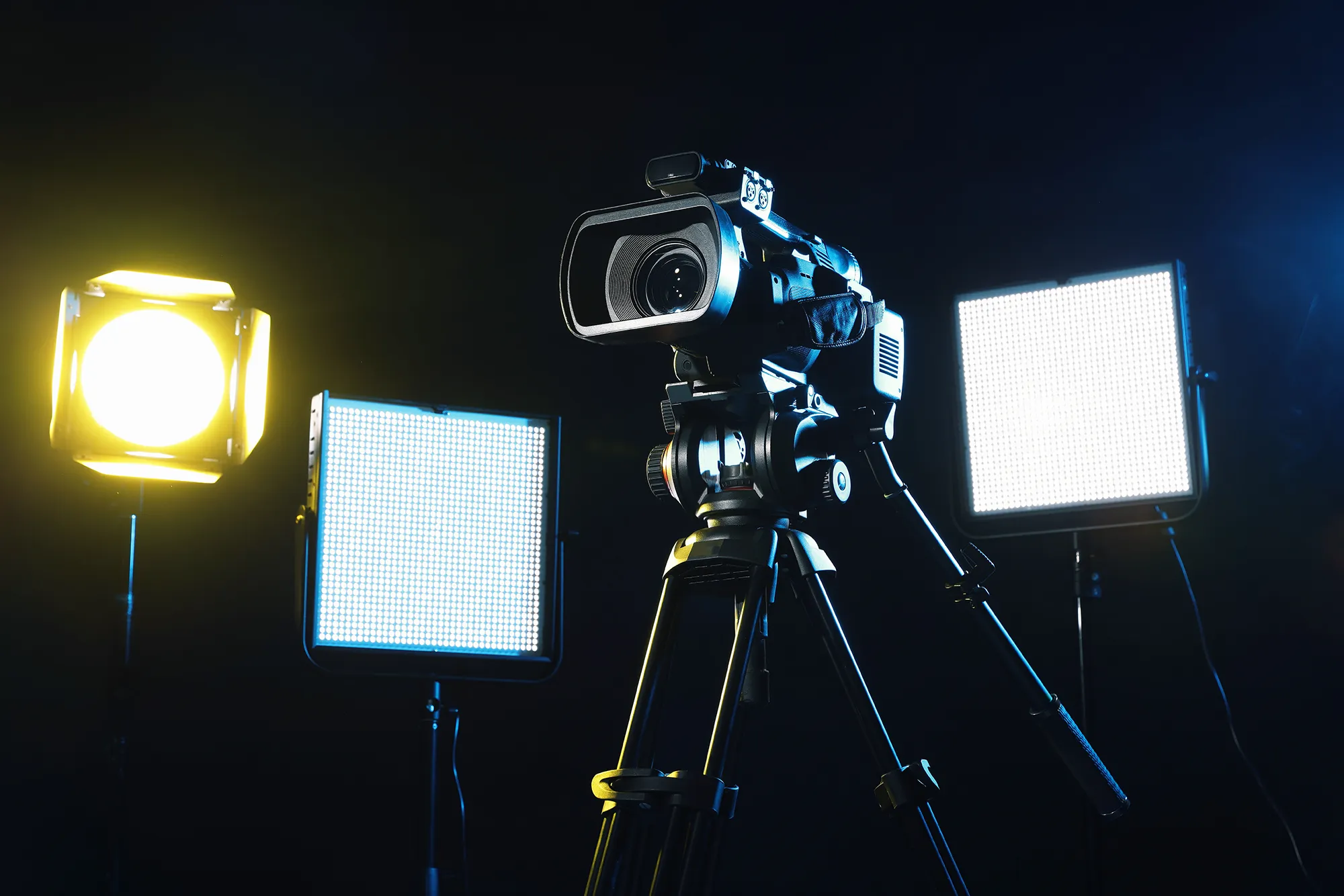
When top executives step in front of the lens, the crew has to be ready. Leaders simply do not have time to sit around while a crew tweaks the lighting, reframes cameras, or troubleshoots audio. Their schedules are tight, and they expect the set to run professionally the second they walk through the door.
We use the exact same playbook to capture that authority on camera, regardless of whether we are filming a legal milestone at the ABA or interviewing faculty leadership at the Erikson Institute.
How We Capture Authority on Camera
Making a leader look and sound natural on video comes down to three things:
-
Frictionless Technical Preparation: By the time the subject walks into the room, the technical work is done. Lighting is set and audio levels are already tested. The goal is for them to sit down, talk for thirty minutes, and leave feeling like it was the easiest meeting on their calendar.
-
Matching the Environment: Authority requires a visual space that makes sense. We frame shots specifically to hide background clutter and use lighting techniques that separate the subject from the wall behind them. A polished, high-end visual translates directly to credibility for the viewer.
-
Directing the Delivery: Speaking directly into a camera lens can feel unnatural for anyone. We approach the delivery based entirely on the project. If a script requires strict legal or technical accuracy, we use a teleprompter. More importantly, we coach people on how to read the prompter without sounding like a robot. For broader thought leadership, we ditch the script entirely. But we don’t just hit record and expect them to talk; we help carry the conversation, leading from one area to the next. As experts, we research and understand the project at hand so we can smoothly guide the discussion and capture exactly what is needed.
Case Study: Filming Leadership at Erikson Institute
To see how these three elements work in practice, look at our recent project with the Erikson Institute. They partnered with See It Media to produce a mission video designed to drive donor support at their 2025 Annual Luncheon. The core of the video relied on an on-camera address from the institution’s President, Mariana Souto-Manning.
-
The Preparation and Environment: We chose an academic library for the interview – a setting that visually reinforced her authority. Because the library was actively being used by students and faculty, we had to work efficiently and respect the space. We arrived well before the scheduled shoot time to blend our lighting with the room’s existing environmental light. By the time Mariana arrived on set, the framing and audio were completely locked in. All she had to do was walk in and let us clip on a microphone.
-
Coaching the Delivery: Mariana had to deliver an approved script, which required using a teleprompter. Reading a prompter can easily result in a stiff, robotic performance, so we worked with her on pacing and inflection until her delivery projected both warmth and confidence. Once we captured the scripted read, we turned the prompter off. We spent the remainder of her scheduled time asking off-script, conversational questions. This allowed us to capture natural, authentic soundbites that the school can repurpose for future marketing campaigns.

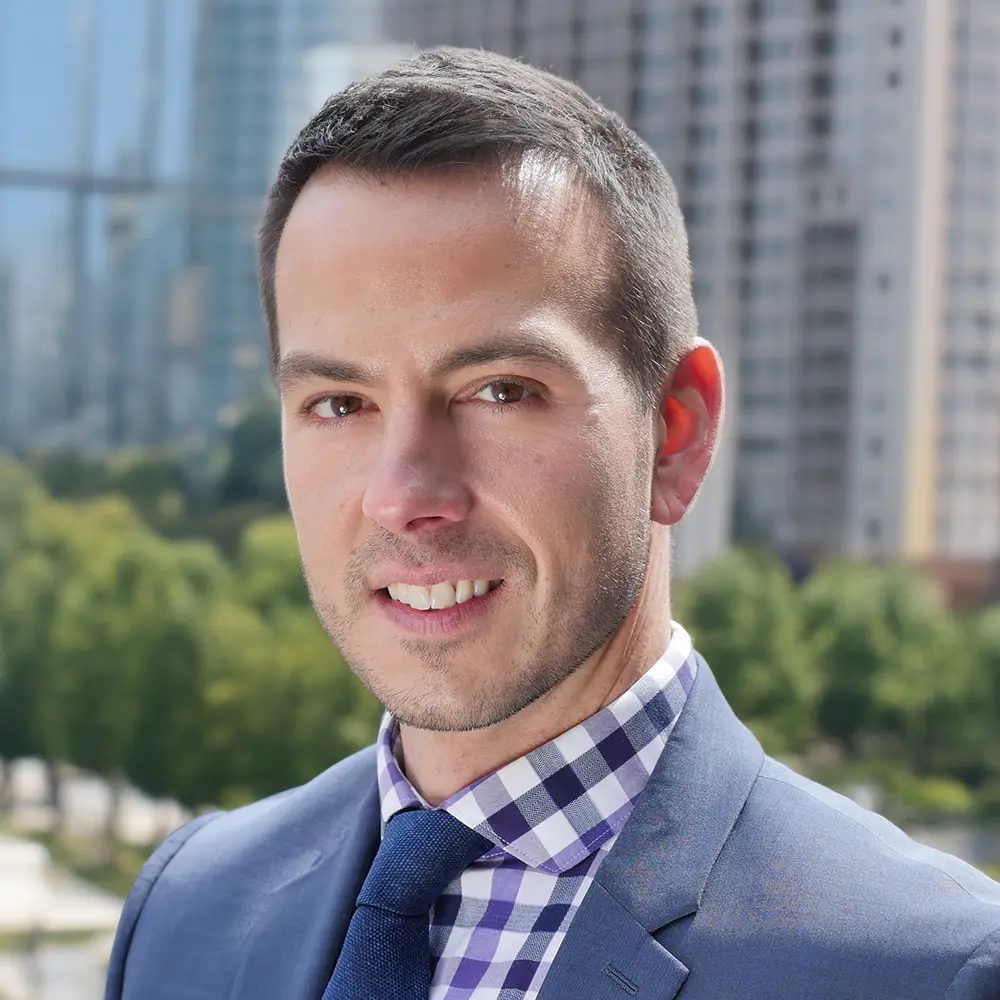
Erikson Institute President Mariana Souto-Manning
Put Your Team on Camera
Video production is about capturing the people driving your brand forward. If you need a crew that knows how to operate efficiently and make your leadership team look great on camera, reach out. Contact See It Media today to start planning your next shoot.

FAQs About Filming Leaders and Executives
Q: How do you prepare a leader or executive for a video shoot?
We handle the technical setup before they arrive so we do not waste their time. Beyond the technical elements, our team gains a full understanding of your project. This allows us to craft the right questions, carry the conversation, and smoothly transition from one topic to the next, letting the executive focus solely on sharing their expertise.
Q: Why is executive presence important in corporate video?
Executive presence is vital because it establishes immediate trust and credibility with your audience. When a leader projects confidence, clarity, and authority on screen, viewers instinctively associate those positive traits with the entire organization. Conversely, poor lighting, distracting backgrounds, or an awkward delivery can severely undermine a great message and damage the brand’s perceived professionalism.
Q: How much time is typically needed to film a C-suite executive?
An experienced crew usually needs anywhere between 30 minutes to an hour with the actual executive to capture a comprehensive interview. We get set up prior using a stand-in to adjust the lighting and cameras so the set is completely ready when the subject arrives. Framing, lighting, positioning – all of this is checked and rechecked to ensure everything is perfectly captured before the executive ever walks in the room.
Q: What should a leader wear on camera?
Clothing should match the company culture. From a technical standpoint, solid colors work best. We advise against tight, repeating patterns like houndstooth or thin pinstripes, which can cause weird visual distortion on digital cameras. Ultimately, wear whatever is most comfortable.
Q: How does a production team help executives who are nervous on camera?
A good director acts as a coach. If we are using a prompter, we help with pacing so it sounds natural. If we are doing a traditional interview, we treat it like a casual, one-on-one conversation. Knowing that the editing process will easily cut out any mistakes removes the pressure of needing a perfect take.
Recent Posts

Social Media Video: The False Reality of the Influencer Reel
Social Media Video: The False Reality of the Influencer Reel
Motion Graphics: Make the Complex Simple
Motion Graphics: Make the Complex Simple
Custom Website Design: Great Sites Are Never Accidents
Custom Website Design: Great Sites Are Never Accidents
